
Schedule!
For the fastest reply, call or text us 24/7 at 727-910-0180.

Schedule!
For the fastest reply, call or text us 24/7 at 727-910-0180.
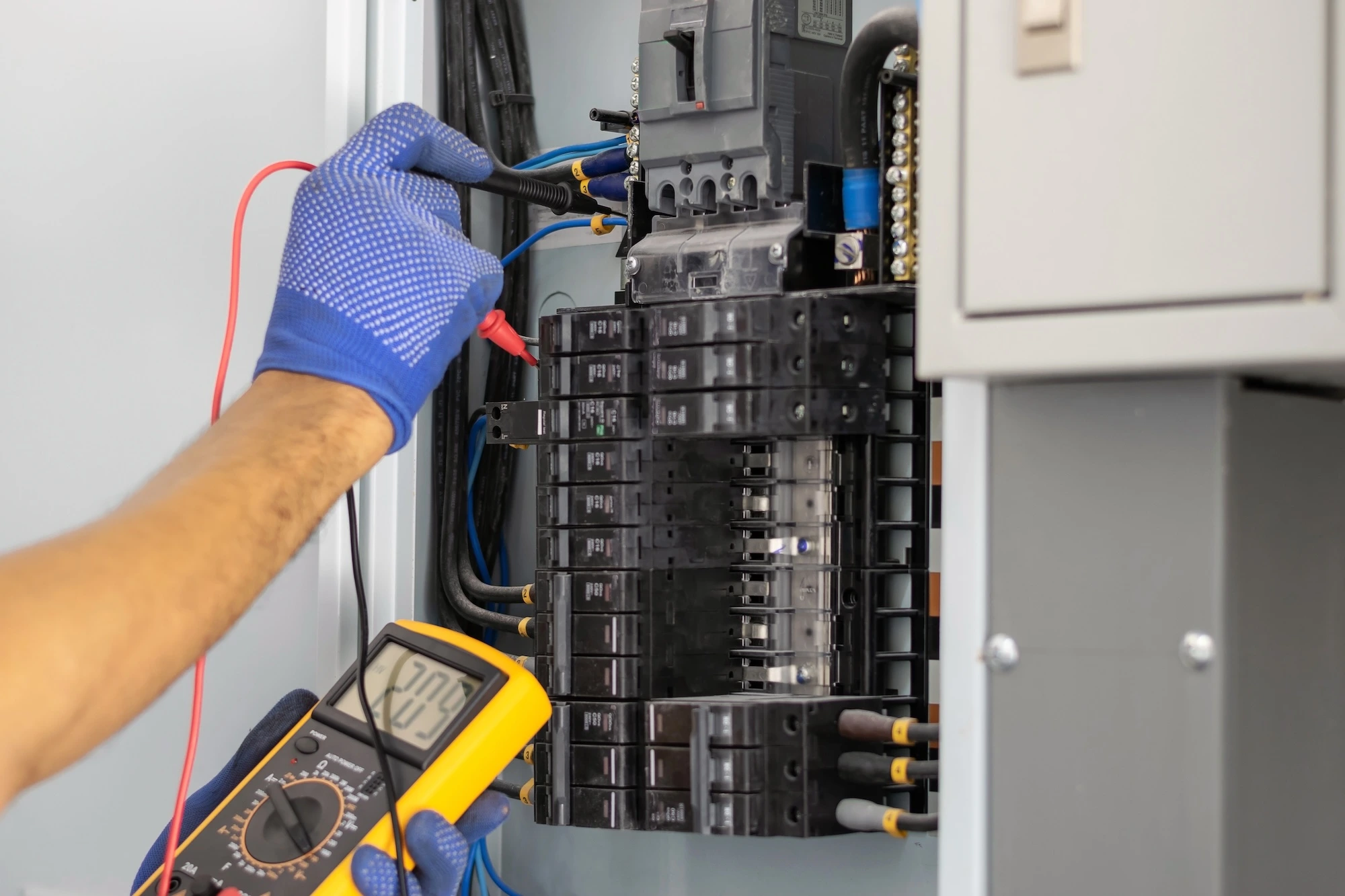
Behind the walls of every older Tampa Bay home runs a hidden history of copper, aluminum, and cloth. In fact, that history shapes how safely the house handles modern life.
So before you sign, use an electrical checklist for buying an older home. Here, Court Electrical Service shares what our electricians check, so call us before you commit.
Many charming older homes, from bungalows to ranches, across Pinellas, Pasco, and Hillsborough Counties date back decades. Their wiring served a simpler era. Then, a typical house ran lamps, a radio, and maybe one window unit. Now those same circuits carry central air, big-screen TVs, and a kitchen full of appliances.
Of course, age alone does not make a home unsafe. However, steamy summers, salty coastal air, and frequent storms can quietly wear down connections. Florida also ranks among the most lightning-prone states. So every storm season adds stress to aging electrical systems.
Clearly, an older home deserves a careful look before closing day. For example, a flickering hallway light may seem quaint until it signals a loose connection. Once you know the warning signs, you can tour older homes with sharper eyes and fewer surprises.
Let our team help you spot these regional risks before you buy.
Any electrical checklist for buying an older home starts with the main panel. After all, it is the heart of the house. When you tour a home, open the panel door and take a slow look inside. A warm, buzzing box is a red flag.
Certain electrical panel brands raise concern. For example, Federal Pacific Stab-Lok and Zinsco panels often prompt replacement talks. Although many still operate, their breakers may not trip reliably during an overload. Also, homes with screw-in fuses may face insurance hurdles.
Capacity matters too. Many older homes run on 60-amp or 100-amp service, which can struggle with today’s appliance loads. Now picture a July afternoon with the AC, dryer, and oven running at once.
Our electricians can evaluate any panel and explain your upgrade options clearly.
Next, turn your attention to what runs inside the walls. Wiring tells the story of when a home was built and how it changed over the years. Still, some materials from past decades carry real risks today.
For instance, many homes built between 1965 and 1973 used aluminum branch circuit wiring. Researchers at the U.S. Consumer Product Safety Commission studied those homes closely. The findings were sobering. Indeed, older aluminum-wired homes were 55 times more likely to have outlet connections reach fire hazard conditions.
Even older homes may still hide knob-and-tube or cloth-covered wiring. While these systems once served well, their insulation can crumble after decades of Florida heat. Once it cracks, bare conductors sit exposed inside your walls, often right beside wood framing.
Call Court Electrical Service for a professional wiring assessment before closing.
Now look closely at the outlets in every room. Two-prong outlets often signal an ungrounded system, which offers less protection during a fault. Sometimes a previous owner swapped in three-prong outlets without adding a ground wire. Really, that shortcut only looks modern.
Modern electrical code also calls for GFCI protection in wet areas. These outlets shut off electricity within a fraction of a second when they sense trouble. Kitchens, bathrooms, garages, and outdoor spaces all benefit.
Many older homes lack AFCI breakers too. Those devices detect dangerous arcing inside walls before it sparks a fire. Although they add modest cost, they bring strong protection against hidden electrical fires in older walls.
Our team can test every outlet and recommend safe, code-compliant updates.

In Florida, the electrical system can also decide if a home is insurable. Many insurers request a 4-point inspection for homes roughly 20 to 30 years old or older. That report covers four areas. Namely, it reviews the roof, plumbing, HVAC, and electrical system.
Inspectors note panel type, wiring material, and any visible electrical hazards. As a result, aluminum wiring or an outdated panel can delay coverage or raise premiums. Without a policy in place, most lenders will not close your loan.
So fixing problems early keeps closing on track. Plus, it can give you leverage during price negotiations with the seller. Before you make an offer, ask the seller for any recent electrical inspection reports and repair receipts.
Let us help you prepare the home to pass its 4-point inspection.
Online checklists can point you in the right direction. However, seeing a warning sign is not the same as diagnosing it safely. Here, the difference really matters. Though a checklist helps, it cannot see behind drywall.
Opening a panel or pulling an outlet exposes you to live current and serious shock risk. Plus, a general home inspector often flags issues without testing circuits under load. Instead, a licensed electrician can measure, trace, and explain exactly what each finding means for your budget.
Just as important, professional repairs are permitted and documented. Licensed work follows current code. That paperwork gives your insurer, lender, and future buyers real peace of mind!
Trust a licensed electrician to protect your investment from day one.
Since 2002, Court Electrical Service has helped Tampa Bay homeowners keep their older homes safe and sound. Our electricians serve Pinellas, Pasco, and Hillsborough Counties with reliable, honest work.
So before you sign, let us walk through your electrical checklist for buying an older home together. Then call today, and settle into your new home with confidence!